Historic RittenhouseTown
206 Lincoln Drive • Philadelphia, PA 19144 • (215) 438-5711• Fax (215)849-6447 • information@rittenhousetown.org   
  • History
    • History
    • Timeline
    • Map
    • Buildings
      • Abraham Rittenhouse Home
      • Rittenhouse Homestead
      • Rittenhouse Bakehouse
      • Enoch Rittenhouse Home
      • Jacob Rittenhouse Home
      • Rittenhouse Home
      • Barn Papermaking Studio
  • Tours
  • Educational Programs
    • Education Tours
    • Resources
    • Paper Arts Workshops
  • Membership
  • Paper Arts Workshops
  • Gift Shop
  • Contact Us
    • Contact Us
    • Directions
  • Special Events
    • Events
    • Annual Events
    • Calendar
  • Special Projects
    • Archaeology
    • Restoration
    • Collaboration
  • Links
  • Publications
  • Home
Abraham

paper


Join Our Email List
Email:  
For Email Marketing you can trust

Fairmount Park


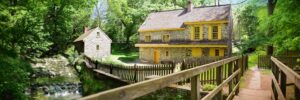
At the heart of the thriving early industrial community known as RittenhouseTown, the first paper mill in British North America built by William Rittenhouse and his son, Nicholas, occupied the north bank of the Monoshone Creek.  A second mill, Homestead and Bake House quickly followed.  For the next 200 years, while eight generations of Rittenhouse family members continued to live and work all along the Monoshone and Wissahickon Creeks, the focus of the community remained this intimate cluster of buildings enclosing both public and private space. 

From the early 18th century, Rittenhouse Street linked the early settlement at Germantown with RittenhouseTown and brought a constant stream of people, horses and wagons into the community past the Homestead on their way to the mill across the Monoshone Creek. Weavers transformed flax grown in Germantown into linen textiles and when the fabric was reduced to rags it was brought to RittenhouseTown to be made into paper.  Paper produced at the Rittenhouse mill was sold to printers in nearby Germantown, Philadelphia and New York for use in Bibles and newspapers. 

As the Rittenhouse family expanded so did the village of RittenhouseTown.  In later years, the Baptist Chapel located just yards from the Homestead’s front door welcomed mill workers who lived in the tenement building directly across Rittenhouse Street.  By the mid 19th century, over 40 buildings populated this busy self contained industrial village including numerous residences for family members and mill workers, several mills producing paper, textiles, rugs, and blankets or grinding grain, a school, firehouse, general store and smithy. Until the construction of the Walnut Lane Bridge in 1908, Rittenhouse Street continued to be one of only a few routes linking Germantown with Roxborough, Manayunk and the Schuykill River. Continue...


return to top

News & Events

RittenhouseTown is open for tours between noon and 4PM on weekends thru Sept. 30. Excludes Labor Day Weekend

Click here for prices and other details


Sponsored by


Paws in the Park:

Dog Walk & Flea Market

October 2, 10AM

$20/Dog, Humans are free

Register via printable PDF

Register Online

Name of Dog/s

Sponsored by

Become A Sponsor


David Rittenhouse

Award Dinner w/ Honoree

Dr. Derrick H. Pitts

November 10, 2010

Colonial Feast, Cocktails & Silent Auction

©Historic RittenhouseTown 2007 | Home | History | Timeline | Map | Abraham | Homestead | Bakehouse | Enoch | Jacob | Rittenhouse Home | Barn | Tours | Education Tours | Resources | PaperArts | Membership | Gift Shop | Contact Us | Events | Archaeology | Restoration | Collaboration | Links | Publications | information@rittenhousetown.org